Cute Pumpkin: A Designer’s Review for Fall Embroidery
As an embroidery designer who has spent countless hours digitizing, testing, and stitching out thousands of designs, I approach every new machine embroidery design with a critical eye. It is not just about whether the image looks good on a screen; it is about how it translates to thread, how it behaves on fabric, and ultimately, how it performs in a real-world product. Recently, I evaluated Cute Pumpkin, a seasonal asset intended for autumn and holiday projects. Here is my practical assessment of how this design holds up under the needle.
First Impressions and Visual Personality
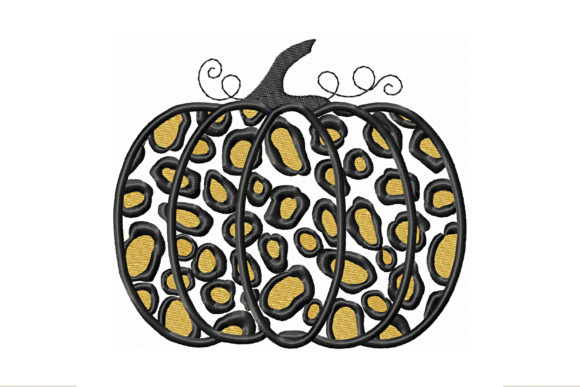
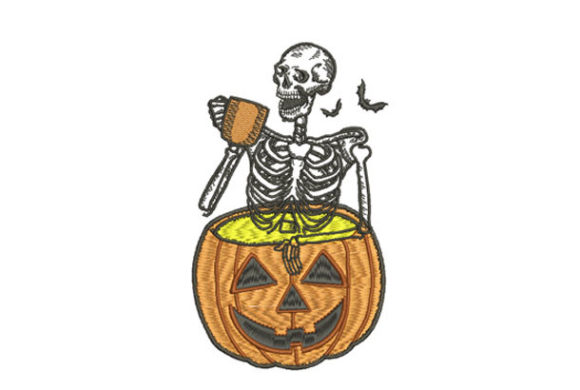
The first thing that strikes you about Cute Pumpkin is its approachable charm. In a market saturated with overly complex or generic seasonal motifs, this design leans into simplicity and warmth. The layout suggests a friendly, inviting mood rather than the spooky aesthetic often associated with Halloween. This makes it versatile. It does not scream "October 31st" so loudly that it becomes unusable in November. Instead, it fits comfortably into the broader category of fall decor and cozy home goods.
From a digitizing perspective, the shape appears balanced. The curves look smooth, which is essential for maintaining stitch integrity. Jagged or poorly defined curves often result in thread breaks or puckering, but the visual flow here suggests careful attention to pathing. For a designer, this means less time spent editing and more time focusing on presentation.
Real-World Application: The Tote Bag Test
To truly understand the value of an embroidery file, I mentally place it on various substrates. Let us consider a custom canvas tote bag, a staple for any Etsy seller or craft fair vendor. Canvas is a sturdy, textured fabric that can chew up delicate details. However, because Cute Pumpkin relies on bold shapes rather than microscopic intricacies, it should hold up well.
When stitched on a natural linen or heavy cotton canvas, the design acts as a focal point without overwhelming the material. I imagine using earthy thread colors—burnt orange, deep mustard, and olive green—to enhance the autumnal feel. The contrast between the vibrant threads and the neutral fabric creates a high-end, boutique look. This is exactly the kind of handmade product that attracts buyers looking for quality over mass-produced prints.
Apparel and Wearables
Moving beyond accessories, let us look at custom apparel. A crewneck sweatshirt is a prime candidate for this design. The soft texture of fleece or French terry requires a design that is not too dense, otherwise, the garment becomes stiff and uncomfortable. Cute Pumpkin seems to strike a balance here. It is substantial enough to be visible from a distance but likely light enough to remain flexible.
For baby embroidery, such as a onesie or a burp cloth, the simplicity is a major advantage. Parents often prefer clean, recognizable imagery for infants. The friendly nature of the pumpkin makes it suitable for nursery decor or baby gifts that extend beyond the Halloween season. However, when working with stretchy knits, always use a cut-away stabilizer to prevent distortion during washing.
Technical Considerations for Stitchers
While the design appears user-friendly, there are technical aspects every embroiderer must verify before starting a production run. Since the product description notes that it comes with multiple digital embroidery file formats, compatibility should not be an issue for most modern machines. However, specifics matter.
- Hoop Size: Always confirm the required hoop size. Trying to force a design into a smaller hoop than intended will crop essential elements and ruin the composition.
- Stitch Density: Check the density settings. If the design uses heavy fill stitch areas, ensure your fabric can support it. For lighter fabrics like chiffon or thin cotton, a backing stabilizer is non-negotiable.
- Thread Colors: The visual appeal relies heavily on color choice. Test different palettes. A traditional orange works, but consider monochromatic schemes using varying shades of cream and beige for a subtle, sophisticated look.
It is also wise to inspect the transition between stitch types. Does the design utilize satin stitch for outlines and running stitch for details? These combinations affect the final texture. A well-digitized design will minimize jumps and trims, saving you time and reducing thread waste.
Where to Use Caution
No design is universal. There are scenarios where Cute Pumpkin might not perform optimally. For instance, on highly textured fabrics like bouclé or thick wool, fine details may get lost. In these cases, the design might need to be scaled up slightly to maintain clarity.
Additionally, be cautious when applying it to curved surfaces like caps. Caps require specialized digitizing to account for the curvature of the crown. If this design was not specifically optimized for headwear, it may distort or pucker. Always test on a scrap piece of the same material before committing to a final finished product.
Commercial Viability and Brand Consistency
For small shop product lines, consistency is key. Cute Pumpkin offers a cohesive look that can be integrated into a broader fall collection. Imagine pairing it with leaf motifs or harvest-themed text. This creates a recognizable brand aesthetic that customers can trust.
When creating printable mockup assets for your online store, ensure the digital representation matches the stitched reality. Misleading images lead to returns and negative reviews. Use high-quality photos of the actual embroidered item to build customer confidence. Highlight the texture of the threads and the precision of the stitches.
Final Verdict for Designers and Makers
In the world of commercial embroidery, reliability is currency. Cute Pumpkin presents itself as a reliable, versatile asset for the autumn season. It avoids the pitfalls of over-complication while delivering a charming visual impact. Whether you are creating personalized gift items, stocking your boutique with seasonal decor, or expanding your design assets library, this design deserves consideration.
Before launching a full production run, I strongly advise stitching out a test sample. Check the tension, inspect the back for excessive buildup, and wash the sample to ensure durability. If it passes these tests, you have a winner. This is not just a festive icon; it is a practical tool for creating memorable, high-quality embroidered goods that resonate with customers seeking warmth and craftsmanship in their holiday purchases.
Remember, the best embroidery project is one that brings joy to both the maker and the recipient. With its friendly demeanor and adaptable style, Cute Pumpkin has the potential to do just that.