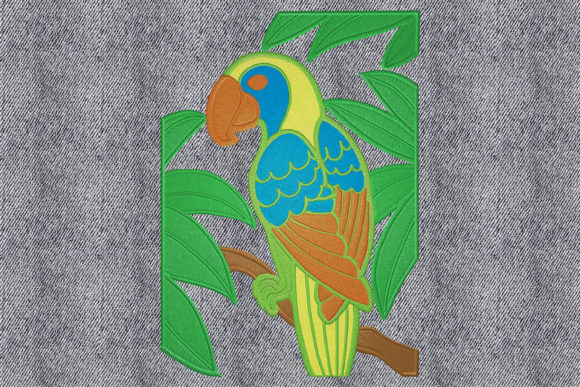
Review: Multicolor Parrot in the Jungle Embroidery
As a designer who has spent years digitizing and testing machine embroidery design files, I have learned that not all vibrant concepts translate well to thread. When I first loaded the Multicolor Parrot in the Jungle file into my software, I was immediately drawn to its bold color palette and organic composition. However, visual appeal on a screen is only half the battle. The real test lies in how the design behaves under the needle, how it interacts with various fabric texture types, and whether it holds up as a sellable handmade product.
This review breaks down the practical realities of using this Birds themed artwork for your next embroidery project. Whether you are an Etsy seller looking to expand your small shop product line or a hobbyist creating a personalized gift, understanding the technical nuances of this file is crucial for professional results.
First Impressions and Visual Mood
The Multicolor Parrot in the Jungle exudes a lively, tropical energy. The layout balances the intricate details of the parrot’s plumage with surrounding foliage, creating a cohesive scene rather than just a floating icon. For designers, this means the piece has strong visual weight. It does not feel sparse or unfinished. The use of varied greens and bright accent colors suggests a design that relies heavily on thread colors to define shape, which is both a strength and a challenge.
In terms of mood, this design fits perfectly into spring and summer collections. It brings a sense of adventure and warmth, making it an ideal candidate for holiday embroidery projects focused on travel themes or vibrant home decor. The artistic style leans towards realistic yet stylized, ensuring it appeals to a broad audience without appearing too cartoonish or overly complex.
Real-World Application: The Tote Bag Test
To evaluate the digital embroidery file in a real-world scenario, I simulated its application on a canvas tote bag design. Canvas is a forgiving medium, but it requires careful attention to stitch density. The parrot’s body features significant coverage, likely utilizing fill stitch techniques to create depth. On a sturdy tote, this density adds a luxurious, textured feel that customers often associate with high-quality custom apparel and accessories.
However, the jungle background elements require precision. If the running stitch outlines are too loose, the leaves may look messy. In my assessment, the design maintains clarity, provided the machine tension is calibrated correctly. This makes it a strong contender for commercial embroidery where consistency is key. For an embroidered patch, the defined edges of the parrot would stand out beautifully against a twill backing, offering a durable option for hats or jackets.
Apparel and Wearables
When considering sweatshirt embroidery, the bulk of the design must be managed. A heavy fill on a fleece garment can cause puckering if the wrong stabilizer is used. I recommend using a cut-away stabilizer for knit fabrics to support the weight of the multicolor threads. For t-shirts, which are thinner, this design might be too dense for the center chest unless scaled down significantly. It works better as a pocket-sized accent or on the back where the fabric is less prone to distortion.
Baby embroidery is another potential market, but caution is advised. The small details in the jungle foliage could be irritating to sensitive skin if not backed properly. Always ensure that the back of the stitching is covered with a soft interfacing when creating items for infants.
Technical Considerations for Designers
Before committing to a large production run, there are several technical factors to verify. Since the product description notes that this machine embroidery design comes with multiple embroidery file formats, compatibility is generally good. However, you must check the specific hoop size requirements. Large, detailed designs often require an 8x8 or larger hoop to prevent re-hooping, which can lead to alignment issues.
- Stitch Density: Review the density map in your software. High-density areas need robust stabilizers to prevent fabric pull.
- Thread Contrast: The multicolor nature of the parrot means frequent thread changes. Ensure your machine handles trims efficiently to avoid loose tails.
- Fabric Choice: Avoid stretchy or slippery fabrics like silk or thin jersey unless you are experienced with temporary spray adhesives and specialized needles.
- Dark Fabrics: If stitching on dark garments, consider using a white underlay or testing the design to ensure the bright parrot colors pop without needing excessive saturation.
Commercial Viability and Branding
For craft business owners, the uniqueness of the Multicolor Parrot in the Jungle offers a competitive edge. Generic bird designs are common, but this specific jungle theme tells a story. It enhances brand consistency for shops focusing on nature, travel, or exotic aesthetics. When creating printable mockup images for your online store, this design photographs well due to its high contrast and vibrant hues, potentially increasing buyer engagement.
It is essential to confirm the licensing terms included with your purchase. While many design assets allow for commercial use of the finished product, restrictions may apply to reselling the digital file itself. Always read the license agreement to protect your small shop product integrity and avoid legal issues.
Final Verdict
The Multicolor Parrot in the Jungle is a robust and visually striking addition to any designer’s library. It performs best on stable, medium-to-heavy weight fabrics where its detailed satin stitch borders and fill areas can shine without causing distortion. It is particularly well-suited for tote bags, pillow covers, and structured caps.
While it requires careful attention to stabilizer choice and thread management, the payoff is a professional-looking embroidered patch or garment detail that commands attention. For Etsy sellers and makers looking to elevate their custom apparel offerings, this design provides the artistic flair needed to stand out in a crowded marketplace. Just remember to always test on scrap fabric first, adjust your tension, and let the vibrant colors of the jungle do the talking.