Reviewing Halloween Happy Pumpkin for Boutique Sweatshirts
As an embroidery designer who has spent years refining digitizing techniques for small clothing brands, I approach every new machine embroidery design with a critical eye. It is not just about whether the file runs smoothly; it is about how the final stitched product elevates the brand identity of the client. Recently, I evaluated Halloween Happy Pumpkin for a limited-edition sweatshirt drop intended for a boutique online shop. The goal was to determine if this specific embroidery file could carry the weight of a premium seasonal collection while maintaining the playful charm required for the holiday.
First Impressions and Design Personality
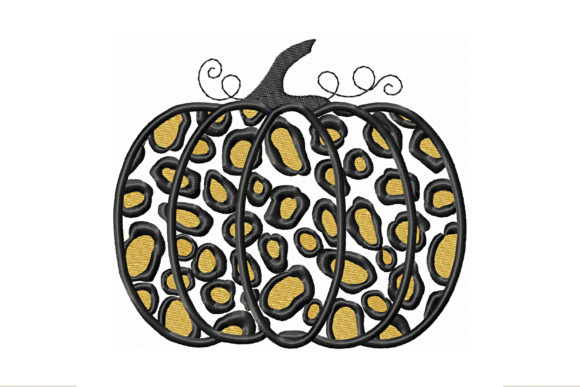
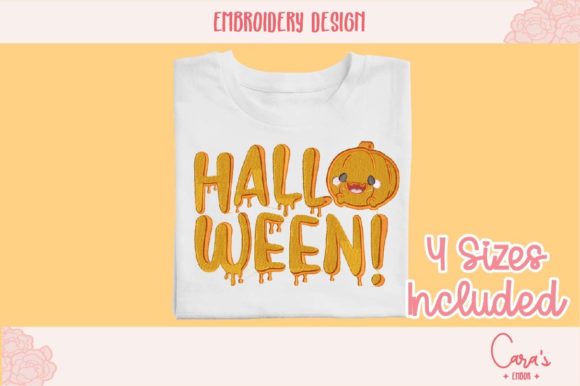
The immediate visual impact of Halloween Happy Pumpkin is one of approachable warmth. Unlike aggressive or overly spooky motifs that can alienate certain demographics, this design leans into the cute and decorative side of the season. For a boutique brand targeting families, young adults, or those who prefer whimsical aesthetics over horror, this is a significant advantage. The layout appears balanced, suggesting a digitizer who understands flow and negative space. When reviewing the potential look on neutral sweatshirts, such as heather grey, oatmeal, or soft cream, the design pops without overwhelming the garment. On dark fabrics like charcoal or navy, the contrast becomes even more striking, provided the thread colors are chosen wisely.
The mood is distinctly playful yet refined. It does not feel cheap or mass-produced. Instead, it carries a handmade product quality that resonates with customers looking for unique, small shop product offerings. This distinction is crucial for Etsy sellers who compete on uniqueness rather than price alone. The design feels strong enough for commercial apparel use, assuming proper production standards are met.
Strategic Placement for Sweatshirt Embroidery
One of the most compelling aspects of Halloween Happy Pumpkin is its versatility in placement. For a standard crewneck sweatshirt, a left-chest placement offers a subtle, sophisticated nod to the season. This works exceptionally well for oversized hoodies where minimalism is key. However, for a bolder statement, centering the design on the back of a cozy seasonal apparel piece creates a high-impact visual that performs well in lifestyle product photography.
I also considered sleeve accents. A smaller version of the motif, if scalable within the recommended limits, could serve as a charming detail on the cuff or upper arm. This adds perceived value to the custom apparel, making the item feel more thoughtfully designed. For boutique merchandise, offering multiple placement options allows the brand to create a cohesive collection rather than a single standalone item. When preparing printable mockup assets for digital listings, seeing how the design interacts with fabric texture and drape helps convince potential buyers of the quality before they purchase.
Technical Considerations for Professional Results
From a technical standpoint, there are critical factors to address before running this design on production machines. The product description explicitly states that resizing or editing the design is not recommended. This is a vital constraint for any professional embroiderer. It implies that the stitch density and underlay have been optimized for a specific hoop size and scale. Attempting to shrink or enlarge the file could lead to poor registration, thread breaks, or fabric puckering. Therefore, selecting the right garment size and hoop placement is essential to ensure the design fits perfectly without modification.
Thread color contrast is another major consideration. To maintain the "happy" and inviting nature of the pumpkin, I recommend using vibrant oranges paired with deep greens or earthy browns. Avoid neon threads unless the brand identity is specifically geared toward rave or youth culture, as they can detract from the premium feel. The stitch density appears robust, which is beneficial for durability but requires attention when working with thinner fabrics. For heavy sweatshirt material, a cut-away stabilizer is non-negotiable to support the weight of the stitches and prevent distortion after washing.
It is imperative to test stitch the design, or portions of it, before stitching it onto your final item. This step cannot be skipped. Every machine behaves differently, and every batch of fabric has slight variations in thickness and stretch. A test run on a scrap piece of the actual sweatshirt material will reveal if adjustments to tension or top thread are needed. This diligence ensures top quality and protects the reputation of the handmade business owner.
Fabric Texture and Durability
Sweatshirts vary widely in fabric texture, from smooth French terry to fuzzy fleece. Halloween Happy Pumpkin must be tested on the specific blend being used. Fleece may require a topping to prevent the stitches from sinking into the pile, which would obscure the details of the design. Conversely, smooth cotton blends may show every minor imperfection in the digitizing, so precision is key. Washing durability is a common concern for customers. A well-digitized design with proper stabilizer backing should withstand repeated washes without fraying or losing shape, reinforcing buyer trust in the boutique brand.
Enhancing Brand Identity and Sales
Incorporating Halloween Happy Pumpkin into a seasonal lineup does more than just add a festive item; it strengthens brand identity. For creative entrepreneurs, consistent use of high-quality digital embroidery files builds visual recognition. Customers begin to associate the crisp, clean stitching and thoughtful design choices with the brand itself. This leads to higher customer engagement and repeat purchases.
For Etsy listings, the visual appeal of the finished product is paramount. High-resolution photos that highlight the texture of the embroidery against the softness of the sweatshirt can significantly boost conversion rates. The design serves as a focal point in marketing materials, drawing the eye and conveying the mood of the collection instantly. It transforms a basic garment into a desirable fashion statement.
Moreover, this design supports the narrative of quality craftsmanship. By choosing a tested and reviewed file, the seller minimizes the risk of production errors, ensuring that each handmade product meets high standards. This reliability is crucial for scaling a small business during the busy holiday season. It allows the decorator to focus on marketing and customer service rather than troubleshooting machine issues.
Final Verdict for Commercial Use
In conclusion, Halloween Happy Pumpkin is a solid choice for boutiques looking to expand their autumn and winter offerings. It balances cuteness with professionalism, making it suitable for a wide range of customers. While the restriction on resizing requires careful planning regarding hoop size and placement, the benefit is a consistently high-quality output that has been pre-tested for reliability.
For the serious apparel decorator, this design represents a low-risk, high-reward addition to their library of design assets. It respects the integrity of the garment while adding significant decorative value. As long as the recommended precautions are followed—specifically testing on actual fabric and avoiding edits—the resulting sweatshirt embroidery will reflect the premium nature of the boutique brand. It is a reminder that in the world of custom apparel, the right design choice can elevate a simple hoodie into a cherished seasonal staple.