Sombrero Hat: A Designer’s Review for Craft Fair Success
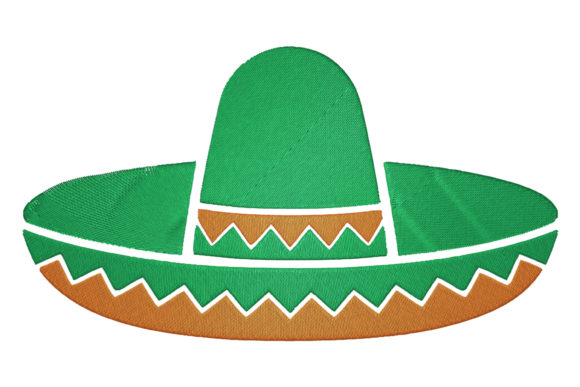
As an embroidery designer who has spent countless weekends behind a booth table, I know that not every design translates from screen to sales. When I first loaded the Sombrero Hat machine embroidery design into my software, I was looking for more than just cute aesthetics. I was evaluating its potential as a high-converting craft fair product. This design, categorized under Mexico and Embroidery themes, promises versatility across pillows, t-shirts, and sweatshirts. But does it hold up under the bright lights of a handmade market? Let’s break down why this specific digital embroidery file might be the secret weapon your small shop product lineup needs.
First Impressions: Bold, Festive, and Instantly Recognizable
The immediate visual impact of the Sombrero Hat design is undeniable. It feels festive, bold, and culturally rich without being overly complex. In a crowded marketplace, customers scan tables in seconds. A design that communicates its theme instantly—like a recognizable sombrero silhouette—stops the scroll, whether that scroll is physical or digital. This isn’t a subtle, minimal accent; it is a statement piece. For boutique makers and creative entrepreneurs, this clarity is crucial. It tells a story of celebration, heritage, and fun, making it an ideal candidate for seasonal displays or year-round novelty items.
Versatility Across Product Lines
One of the strongest assets of this embroidery file is its adaptability. Based on the description, it is optimized for multiple fabric types, which opens up diverse revenue streams for Etsy sellers and local artisans.
- Tote Bag Design: A large-scale version of the Sombrero Hat works beautifully on canvas tote bags. The sturdy fabric supports the stitch density, and the bold imagery makes for a practical yet stylish market bag.
- Apron Embroidery: Imagine a denim or cotton apron with this design centered on the bib. It adds personality to kitchenware, appealing to home cooks who love thematic decor.
- Tea Towel Embroidery: For a lighter touch, scaling down the design for tea towels creates an affordable impulse buy. However, care must be taken with fabric texture to ensure the stitches lay flat.
- Embroidered Patch: This is perhaps the most versatile application. By stitching the design onto felt or twill and cutting it out, you create a patch that can be ironed or sewn onto jackets, hats, and backpacks. This reduces waste and allows for batch production.
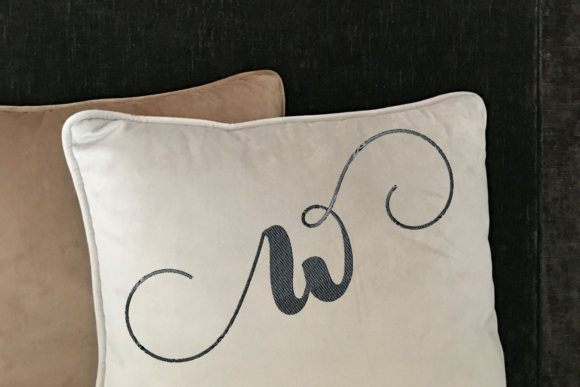
- Pillow Covers: As mentioned in the product description, this design shines on home decor. A vibrant sombrero on a neutral pillow cover adds a pop of color and cultural flair to any living space.
Production Practicality for Batch Selling
For those of us running a business, time is money. The Sombrero Hat design appears to balance detail with efficiency. When preparing for a weekend craft fair, I look for designs that are repeatable. Complex, ultra-dense designs can take hours per unit, eating into profit margins. This design seems to offer a sweet spot where the visual appeal is high, but the machine time remains manageable.
Photography is another critical factor. This design photographs well because of its distinct shape and likely use of contrasting thread colors. For your Etsy listings or printable mockup assets, the clear lines of the hat will stand out against various background colors, making your online storefront look professional and cohesive.
Careful-Use Notes and Technical Considerations
While the design is robust, successful execution requires attention to technical details. Here are my professional notes for ensuring a premium finished product:
- Fabric Texture and Stability: When working with textured towels or thick fabrics like denim, ensure you use the appropriate stabilizer. A cut-away stabilizer is often best for stretchy fabrics like t-shirts, while tear-away may suffice for woven cottons. Always test on scrap fabric first.
- Stitch Density: Check the stitch density settings in your software. If the design is too dense for lightweight fabric, it may pucker. Adjusting the density slightly can help maintain the integrity of the fabric, especially on smaller items like pouches.
- Curved Surfaces: If applying this to caps, remember that curved surfaces distort designs. You may need to resize or adjust the pull compensation to ensure the Sombrero Hat doesn’t look stretched or warped on the front panel of a cap.
- Thread Contrast: To make the design pop, choose thread colors that contrast sharply with your base fabric. A bright yellow or red thread on a dark navy shirt will draw the eye, whereas low-contrast combinations might get lost at a distance.
- Small Details: If you plan to scale this down significantly for small patches or pocket accents, inspect the tiny details. Some fine lines may merge if the hoop size is too small. Confirm that the design retains clarity at your intended size.
Enhancing Brand Consistency and Buyer Engagement
Incorporating the Sombrero Hat into your product line can strengthen your brand identity, especially if you focus on cultural, festive, or travel-themed goods. It signals to buyers that you offer unique, themed items rather than generic blanks. This specificity drives buyer engagement. Customers are more likely to stop and chat about a design that evokes a memory or a feeling, such as a vacation to Mexico or a love for festive decor.
Moreover, using this design across multiple products—such as matching tote bags and pillow covers—creates a cohesive booth display. Visual repetition helps reinforce brand recognition. When customers see the same high-quality motif on different items, it builds trust in your craftsmanship and encourages bundle purchases.
Final Designer Recommendations
Before launching this design into your commercial embroidery lineup, take these final steps. First, verify the included file formats to ensure compatibility with your specific machine. The description mentions multiple embroidery file formats, which is excellent for flexibility, but always double-check. Second, confirm the commercial licensing terms. While many digital embroidery files allow for finished product sales, it is vital to read the specific license included with your purchase to avoid legal issues.
Create at least one real mockup before committing to bulk production. Stitch it out on the exact fabric you intend to sell. Compare how it looks on white versus dark fabric, and assess the thread tension. These small quality control steps differentiate a hobbyist from a professional seller.
The Sombrero Hat is more than just a pretty picture; it is a strategic asset for your handmade business. With careful attention to stabilizer choice, thread selection, and product placement, it can become a staple in your craft fair inventory. Whether you are an experienced Etsy seller or just starting your journey as a creative entrepreneur, this design offers the blend of charm and practicality needed to succeed in the competitive world of handmade goods.