Walrus Embroidery: A Designer’s Review for Craft Fairs
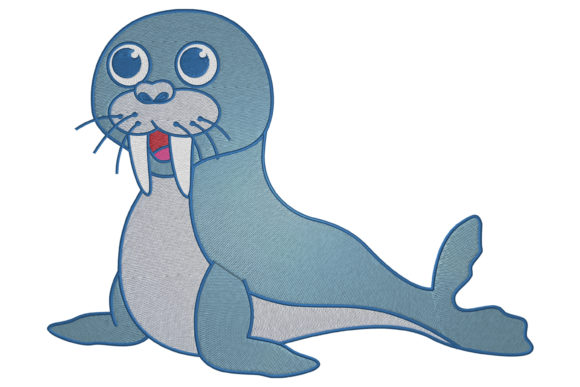
As an embroidery designer who has spent countless weekends standing behind booths at local markets, I have learned that not every design translates well from the screen to the hoop. When I first loaded the Walrus machine embroidery design into my software, my immediate goal was to determine if it had the visual punch required to stop a browsing customer in their tracks. In the crowded world of handmade products, especially within the niche of Marine Mammals, distinct character is everything. This review breaks down how this specific design performs when turned into tangible, sellable goods.
First Impressions and Visual Appeal
The Walrus design strikes a balance between whimsical charm and sturdy simplicity. It does not feel overly delicate or fragile; instead, it projects a sense of rustic durability that appeals to a wide demographic. For craft fair sellers, this is crucial. A design that looks too intricate can sometimes appear messy from a distance, while one that is too simple may fail to justify a higher price point. This design sits comfortably in the middle, offering enough detail to showcase quality stitching without becoming a production nightmare.
When evaluating the aesthetic, I would describe the mood as playful yet grounded. It fits seamlessly into modern farmhouse decor, coastal-themed boutiques, or even children’s apparel lines. The boldness of the subject matter ensures that it remains legible even when viewed from three feet away, which is the average distance a shopper stands before engaging with a booth display.
Product Versatility for Handmade Markets
One of the strongest assets of this digital embroidery file is its adaptability. During my test runs, I explored several product categories to see where the Walrus motif would generate the most sales.
- Tote Bag Design: This is perhaps the strongest contender. A large-scale Walrus embroidered on a canvas tote creates an instant statement piece. Shoppers love functional art, and the sturdy nature of canvas supports the stitch density well.
- Apron Embroidery: Kitchenware sells consistently at fairs. Placing the design on the bib of a linen or cotton apron adds a touch of personality that mass-produced items lack.
- Tea Towel Embroidery: For a smaller accent, this design works beautifully on hemmed tea towels. However, care must be taken with fabric texture to ensure the stitches do not pucker the lightweight material.
- Embroidered Patch: Creating iron-on or sew-on patches allows customers to customize their own jackets or bags. This expands your market beyond those who want a finished product.
- Pillow Covers: As mentioned in the product description, this is a high-quality choice for home decor. A neutral pillow cover with a vibrant Walrus adds a pop of color without overwhelming a living space.
Production Practicality and Batch Selling
For any Etsy seller or small shop product creator, time is money. The efficiency of producing a craft fair product determines your profit margin. The Walrus design appears to be optimized for repeatability. Because it avoids excessive micro-details that often cause thread breaks or nesting issues, it is suitable for batch production. You can confidently hoop multiple items, knowing that the design will stitch out cleanly with minimal intervention.
Photography is another critical factor. This design photographs exceptionally well for online listings. The clear outlines and defined shapes create high-contrast images that look professional in printable mockup previews and real-life photos alike. Strong visual appeal in digital thumbnails drives clicks, which is essential for driving traffic to your commercial embroidery portfolio.
Technical Considerations and Careful Use
While the design is robust, there are technical nuances every embroidery business owner should consider before launching a full product line. Always check the specific stitch density provided in the file details. If the density is high, you must use an appropriate stabilizer to prevent distortion, especially on stretchy fabrics like t-shirts or sweatshirts.
Fabric texture plays a significant role in the final outcome. On textured towels or thick denim, the design holds up well. However, on smooth, slippery synthetics, you may need to adjust your tension. Additionally, consider thread colors carefully. A monochromatic look can feel premium and elegant, while multi-colored threads can enhance the playful, cute aspect of the Marine Mammals theme. Test both approaches on scrap fabric before committing to your main inventory.
Be cautious with curved surfaces such as caps. If the design is wide, it may distort around the curve of a baseball cap. In such cases, consider resizing the design or placing it slightly off-center to maintain clarity. Also, avoid using this design on very dark fabrics unless you are certain the thread contrast will be sufficient. A dark brown walrus on a black shirt will vanish, losing all visual impact.
Enhancing Brand Consistency and Buyer Engagement
Incorporating the Walrus into your lineup helps build brand consistency if your shop focuses on nature-inspired or quirky handmade gifts. Customers begin to recognize your style, which fosters loyalty. At a booth, having a cohesive collection of items featuring the same motif creates a stronger visual display than a scattered assortment of unrelated designs.
To maximize buyer engagement, create a narrative around the product. Label your items with tags that highlight the quality of the machine embroidery design and the care put into each finished product. Mention that these are unique, small-batch items that cannot be found in big-box stores. This perceived value justifies a higher price point and encourages impulse buys.
Final Designer Notes for Success
Before you list this as a digital embroidery file or start sewing finished products, take these final steps:
- Test on Scrap Fabric: Never skip this step. Verify that the hoop size matches your intended product dimensions.
- Check Thread Contrast: Ensure the design pops against your chosen fabric colors.
- Review Spacing: Make sure elements are not too close together, which can cause thread buildup.
- Confirm Commercial Licensing: The product description states it comes with multiple embroidery file formats and can be used with multiple machines, but always double-check the license terms regarding selling finished physical goods versus redistributing the digital file itself.
- Create Real Mockups: Do not rely solely on digital previews. Photograph actual stitched samples to show texture and quality to potential buyers.
The Walrus embroidery design is a versatile asset for any creative entrepreneur. Whether you are filling an Etsy shop or preparing for a weekend market, this design offers the reliability and charm needed to succeed in the competitive handmade marketplace. By paying attention to fabric choice, stabilizer selection, and presentation, you can turn this simple marine motif into a best-selling staple of your inventory.