Paramedic: A Designer’s Review for Real Stitching
As someone who has spent countless hours behind the hoop, tweaking tension and swapping needles, I approach every new machine embroidery design with a mix of excitement and healthy skepticism. We have all been there: you download a file that looks perfect on the screen, only to find it turns into a bird’s nest of thread breaks and puckering on actual fabric. That is why I took a close look at Paramedic, a design marketed toward the medical field, to see if it holds up under the pressure of real-world production.
This isn’t just about whether the quote is funny—though humor certainly sells—it is about whether the digitizing supports the message. For Etsy sellers, boutique owners, and hobbyists looking to create meaningful personalized gifts, the technical execution matters just as much as the sentiment. Let’s break down how this design performs when it leaves the digital realm and hits the fabric.
First Impressions and Visual Personality
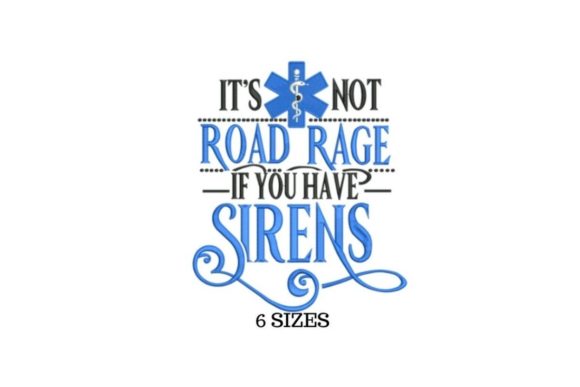
The first thing that strikes me about Paramedic is its approachable mood. It balances the seriousness of emergency medicine with a lighthearted touch, which is exactly what customers look for in custom apparel for first responders. The layout feels intentional, avoiding the cluttered look that plagues so many budget-friendly embroidery files. The visual personality is clean and confident, suggesting that it was digitized with an understanding of how thread behaves, not just how pixels look.
When I visualize this on a product, it doesn’t scream for attention in an aggressive way. Instead, it invites a smile. This subtle charm makes it ideal for items that people wear or use daily, where subtlety often trumps flashiness. Whether you are aiming for a cute gift for a paramedic or a statement piece for a station lounge, the design’s aesthetic versatility is a strong starting point.
Real-World Application: From Totes to Sweatshirts
I recently considered using a similar concept for a custom order involving a heavy-weight canvas tote bag design. In that scenario, Paramedic would shine. The boldness required for a tote allows the text and any accompanying graphics to stand out without getting lost in the weave of the fabric. For sweatshirt embroidery, the design offers enough substance to look professional on the chest or back, providing a sense of pride and camaraderie for the wearer.
However, context is everything. If you are planning to use this for baby embroidery, such as a onesie or a soft blanket, you must proceed with caution. While the sentiment is sweet, the scale might need adjustment. Always check if the design includes multiple sizes. A design that looks crisp on a jacket can become an indecipherable blob on a tiny infant garment if the stitch density is too high for the small area.
For those running a craft business, this design fits well into the "appreciation gift" category. Think along the lines of holiday embroidery for team gifts, retirement presents, or welcome packages for new hires. It adds a layer of thoughtfulness that generic store-bought items lack, enhancing the perceived value of your handmade product.
Technical Considerations and Fabric Choices
Let’s talk about the nuts and bolts. The success of any embroidery project relies heavily on the interaction between the thread, the fabric, and the stabilizer. With Paramedic, I recommend paying close attention to thread colors. High contrast is key for readability, especially if the design includes fine details or smaller lettering. If you are stitching on dark navy scrubs or black caps, ensure you use bright, vibrant threads like white, yellow, or red to maintain clarity.
Fabric texture plays a massive role here. On smooth cotton or poly-blends, the design should stitch out cleanly. However, on textured fabrics like terry cloth towels or fuzzy fleece, some detail loss is inevitable. If you are creating an embroidered patch to be ironed on later, you have more control over the background stability, which can help preserve the integrity of the design’s edges.
Be mindful of curved surfaces. If you are applying this to a cap, the distortion caused by the curve can stretch the design. You may need to adjust the pull compensation or choose a version of the file specifically optimized for hats. Without proper adjustment, letters can appear wider or distorted, ruining the professional look you are aiming for.
Where to Use Caution
While Paramedic is versatile, it is not a one-size-fits-all solution. Avoid using it on extremely thin or stretchy fabrics without a robust cut-away stabilizer. Lightweight performance fabrics, common in medical scrubs, can pucker easily if the stitch count is too dense. Always test on scrap fabric first. This simple step saves time, money, and reputation.
Also, consider the washing instructions. Items that undergo frequent industrial laundering, such as hospital uniforms, need durable stitching. Ensure that any satin stitches are not too long, as they are prone to snagging. If the design relies heavily on long satin runs, consider reinforcing them or choosing a fill stitch alternative if available in the digital embroidery file.
Boosting Brand Value and Customer Trust
For the Etsy seller or small shop owner, the quality of your embroidery reflects directly on your brand. A clean, well-stitched Paramedic design signals professionalism. It tells the customer that you care about the details. This builds trust and encourages repeat business. When you present a finished product that looks polished, you justify a higher price point and differentiate yourself from mass-produced competitors.
Use this design to create cohesive collections. Pair it with other medical-themed assets to build a niche portfolio. Consistent quality across your design assets helps establish your shop as a go-to source for first responder gifts. Customers appreciate when a seller understands their specific needs and delivers products that respect their profession.
Practical Notes for the Designer
Before you commit to a large batch, take these practical steps:
- Test on Scrap Fabric: Always run a test stitch on the same type of fabric you plan to use for the final product. This reveals issues with tension and density.
- Check Thread Contrast: View your design in black and white mockups to ensure the shapes remain distinct without color reliance.
- Verify Hoop Size: Confirm that the design fits comfortably within your machine’s hoop, leaving enough margin for clamping.
- Review Licensing: Since this is intended for commercial use, double-check the license terms provided with the embroidery file. Ensure you are allowed to sell finished items made with this design.
- Inspect Small Details: Zoom in on the digital preview. Look for tiny jumps or unnecessary trims that could cause thread breaks during production.
In conclusion, Paramedic is a solid addition to any designer’s library, provided it is used with intention and technical awareness. It bridges the gap between fun and function, making it a valuable tool for creating memorable Work-related gifts. By respecting the limitations of your materials and machine, you can turn this simple Embroidery design into a standout product that resonates with those who serve on the front lines.