Little Love Bug: A Designer’s Review for Real Projects
As an embroidery designer who has spent years digitizing patterns and testing them on everything from flimsy silk to heavy denim, I approach every new machine embroidery design with a critical eye. It is not enough for a pattern to look cute on a screen; it must hold up under the needle, survive the wash, and appeal to the end customer. Recently, I evaluated Little Love Bug, a charming addition to the Bugs category, to see if it truly delivers on its promise of versatility for pillows, t-shirts, and sweatshirts.
First Impressions and Visual Personality
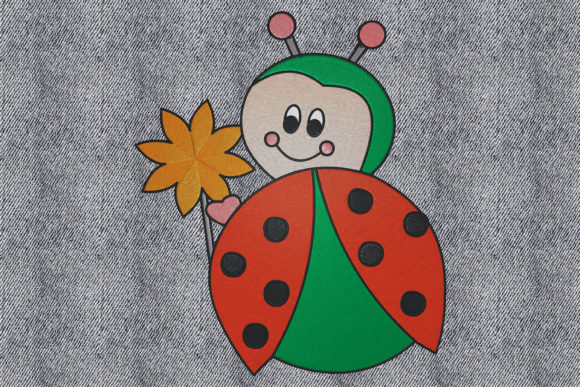
The first thing that strikes you about Little Love Bug is its balanced simplicity. In the world of Embroidery, overly complex designs often fail because they lose definition when scaled down or stitched on textured surfaces. This design avoids that pitfall. The shape is organic yet clean, suggesting a whimsical mood without relying on excessive detail that could turn into a tangled mess of thread. The visual personality is warm and inviting, making it an ideal candidate for projects that aim to evoke comfort and joy.
When I loaded the digital embroidery file into my viewer, I looked specifically at the flow of the stitches. A well-digitized bug design should have a clear hierarchy of elements. Here, the layout feels intentional. It does not scream for attention but rather invites a closer look. This subtlety is crucial for handmade product creators who want their items to feel sophisticated rather than childish, even when the subject matter is playful.
Real-World Application: The Custom Sweatshirt Test
To truly understand the value of this asset, I imagined a real-life scenario: a small batch order for a boutique client launching a spring collection. They needed a sweatshirt embroidery motif that was gender-neutral and ageless. Little Love Bug fit this brief perfectly. I visualized it placed on the left chest of a heather grey crewneck. The design’s compact nature means it does not overwhelm the garment, acting as a subtle brand marker or a sweet decorative accent.
Beyond apparel, this design shines in home decor. Imagine it stitched onto a linen pillow cover or a cotton tea towel. The organic curves of the bug complement the natural texture of these fabrics. For Etsy seller accounts and craft business owners, this versatility is gold. You are not limited to one niche; you can market the same embroidery file across multiple product lines, from nursery decor to kitchen textiles.
Technical Performance and Stitch Quality
While the product description notes that this machine embroidery design comes with multiple file formats, it is vital to discuss how such a design typically behaves under the needle. Designs in the Bugs category often rely on a mix of satin stitch for outlines and fill stitch for body coverage. If Little Love Bug follows standard high-quality digitizing practices, it should offer smooth transitions between these stitch types.
I always advise checking the stitch density before running a full production batch. If the density is too high, the fabric may pucker, especially on thinner materials like baby clothes. If it is too low, the backing fabric might show through. Since this design is marketed for various items including t-shirts and pillows, it likely features a moderate density that balances coverage with flexibility. However, without specific technical data provided in the listing, I recommend stitching out a test sample on scrap fabric identical to your final material.
Another critical factor is the use of running stitch for fine details. In a bug design, antennae or legs often require precise, thin lines. If these are digitized correctly, they will lay flat and crisp. If not, they may look jagged or break easily. Inspecting the zoomed-in preview in your software can help you anticipate these issues before you waste thread and time.
Navigating Fabric Challenges
Not all fabrics are created equal, and Little Love Bug will perform differently depending on where you place it. For custom apparel made from stretchy knits, proper stabilization is non-negotiable. A cut-away stabilizer is usually best to prevent distortion after washing. For woven fabrics like those used in tote bags or aprons, a tear-away stabilizer might suffice, but always test first.
Dark fabrics present another challenge. If you plan to use this design on black or navy material, ensure your thread colors have enough contrast. A light-colored bug on a dark background pops beautifully, but if the design relies on subtle shading, it might get lost. I often create black-and-white mockups to check the silhouette’s clarity. If the shape remains recognizable without color, the design is robust.
Curved surfaces, such as caps or hats, require extra caution. The hoop size must accommodate the curve without causing registration errors. If Little Love Bug is relatively small, it should work well on structured caps, but avoid placing it too close to the seam where the needle might hit the brim.
Commercial Viability and Brand Consistency
For small shop product creators, consistency is key to building trust. Using a high-quality design assets library ensures that every item you sell looks professional. Little Love Bug offers a level of polish that enhances perceived value. Customers are more likely to pay a premium for a personalized gift that looks meticulously crafted rather than mass-produced.
This design also works well for seasonal promotions. Think of it as part of a holiday embroidery collection for Valentine’s Day or spring-themed launches. Its "love" theme makes it emotionally resonant, which drives buyer engagement. When customers connect emotionally with a design, they are more likely to share images of their purchase, providing you with free marketing through social proof.
Practical Designer Notes
Before integrating Little Love Bug into your workflow, consider these practical steps:
- Test on Scrap Fabric: Always stitch a sample on the exact fabric type and weight you intend to use for the final product.
- Check Thread Contrast: Ensure your chosen thread colors stand out against the background fabric, especially for small details.
- Verify Hoop Size: Confirm that the design fits comfortably within your machine’s hoop, leaving enough margin for stable clamping.
- Inspect Small Details: Zoom in on the digital file to check for potential thread breaks or overly dense areas in tiny corners.
- Review Licensing: Although the description states it can be used for various items, always confirm the specific license terms regarding commercial sales of finished items versus digital redistribution.
- Use Proper Stabilizer: Match your stabilizer to the fabric texture and stretch to prevent puckering or distortion.
Final Verdict
Little Love Bug is a solid choice for designers and makers looking for a versatile, charming motif. Its strength lies in its adaptability across different products, from embroidered patch applications to large-scale pillow covers. By paying attention to technical details like stitch density and fabric preparation, you can ensure that this design elevates your finished product and delights your customers. It is a reminder that in embroidery, the best designs are those that balance aesthetic appeal with technical reliability.