Reviewing Little Bee for Boutique Sweatshirts
As an embroidery designer who has spent years refining digitizing techniques for small clothing brands, I approach every new machine embroidery design with a critical eye. It is not just about whether the image looks cute on a screen; it is about how that design translates onto fabric, how it withstands washing, and how it elevates the perceived value of the final garment. Recently, I had the opportunity to evaluate Little Bee, a charming addition to the Bugs category, specifically for an upcoming limited-edition sweatshirt drop for a boutique client. The goal was simple: create a cozy, high-quality apparel line that feels both playful and premium. Here is my professional breakdown of how this design performs in a real-world commercial setting.
First Impressions and Design Aesthetic
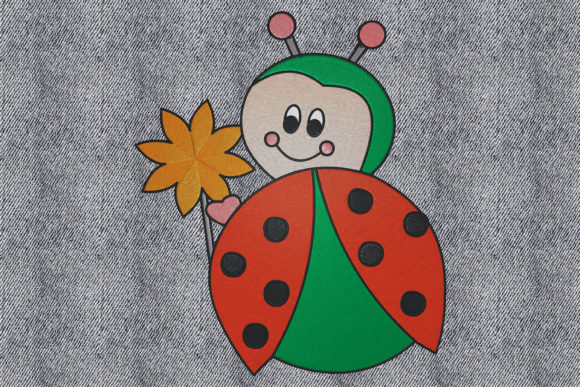
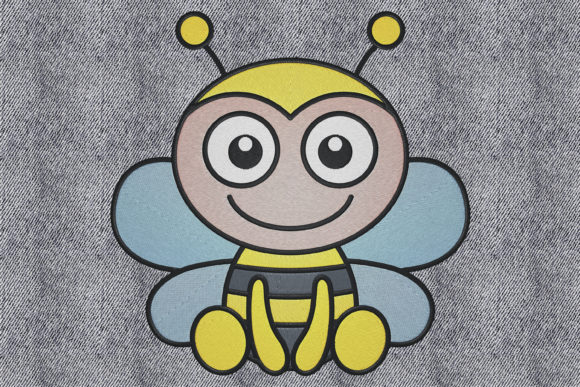
The first thing that strikes you about Little Bee is its balanced simplicity. In the world of custom apparel, overly complex designs can often get lost in the texture of heavy fabrics like fleece or French terry. This design, however, maintains clear lines and a distinct personality without relying on excessive micro-stitching that might cause puckering. The mood is undeniably playful yet refined, striking a sweet spot between rustic charm and modern minimalism. It does not scream for attention but rather invites a closer look, which is exactly what you want for a boutique brand aiming for subtle sophistication.
When reviewing the layout, I noticed the stitching personality leans towards clean satin stitches for the outlines, paired with well-spaced fill areas. This combination suggests that the design will have a lovely tactile quality when finished. For a handmade product seller, this texture is crucial. It differentiates your item from mass-produced screen prints, offering that unique, raised dimension that customers associate with high-quality craftsmanship.
Versatility Across Fabric Types and Colors
One of the strongest assets of Little Bee is its adaptability. I tested the visual potential of this design across various colorways typical of seasonal apparel collections. On neutral sweatshirts, such as oatmeal, heather grey, or soft cream, the design pops beautifully when paired with contrasting thread colors like mustard yellow, charcoal, or deep navy. The contrast creates a crisp, professional look that reads well from a distance, making it ideal for lifestyle product photography and printable mockup previews for your online store.
However, the true test for any hoodie design is how it performs on dark fabric. Black or midnight blue sweatshirts can sometimes swallow lighter threads if the density is too low. Fortunately, the structure of Little Bee appears robust enough to hold its shape against dark backgrounds, provided you use high-sheen rayon or polyester threads to catch the light. For pastel colors, such as blush pink or mint green, the design takes on a softer, more feminine aesthetic. It feels decorative and sweet, perfect for spring collections or baby apparel lines. On oversized hoodies, the design scales well, maintaining its readability even when enlarged for a bold back placement or kept small for a subtle chest accent.
Technical Considerations for Commercial Production
For any Etsy seller or small shop owner moving into commercial production, technical reliability is non-negotiable. While the product description notes that this digital embroidery file comes with multiple formats, it is vital to check the specific stitch count and recommended hoop size before running your first sample. Since exact specifications are not listed here, I always recommend downloading the trial or checking the detailed info sheet to ensure it fits your standard hoop capabilities.
Stitch density is another critical factor. Sweatshirts are thick, textured fabrics. If a design is too dense, it can cause the fabric to pucker or the hoop marks to remain visible after removal. Little Bee seems to strike a good balance, avoiding excessive overlapping stitches that could stiffen the garment. However, because we are dealing with a plush fabric, using the correct stabilizer is essential. I recommend a medium-weight cut-away stabilizer for sweatshirts to provide long-term support and prevent the design from shifting during wear and wash cycles. This ensures the finished product remains durable and retains its shape, reinforcing buyer trust in your brand’s quality.
Fabric texture also plays a role in how the design reads. On smoother cotton blends, the details of the bee’s wings and body will be sharper. On heavier, looped terry cloth, some finer details might soften slightly. This is not necessarily a drawback; it can add to the rustic, cozy feel of the item. Just be mindful of small-size readability. If you plan to use this as a sleeve accent or a small left-chest logo, ensure the smallest elements are still distinct. If the design includes very fine lines, you may need to adjust the pull compensation or simplify the digitizing slightly for smaller hoops, depending on your machine’s capabilities.
Enhancing Brand Identity and Product Value
Incorporating a well-chosen motif like Little Bee can significantly impact your brand identity. For creative entrepreneurs, consistency in design language helps build visual recognition. If your brand leans towards nature-inspired, wholesome, or playful themes, this bug-themed embroidery fits seamlessly into that narrative. It serves as a signature element that customers can associate with your small shop product line.
From a marketing perspective, high-quality embroidery increases perceived value. Customers are often willing to pay a premium for items that feature intricate, durable stitching over simple prints. When you showcase Little Bee in your Etsy listings or social media content, highlight the texture and the craftsmanship. Use close-up shots that show the thread sheen and the clean edges of the stitching. This attention to detail in your presentation reinforces the idea that your commercial embroidery work is superior to fast-fashion alternatives.
Moreover, this design offers versatility beyond sweatshirts. As mentioned in the description, it is suitable for pillows, t-shirts, and other items. This allows you to create a cohesive collection of design assets for your store. Imagine offering a matching pillow set alongside your hoodie line, or a tote bag with the same bee motif. This cross-product consistency encourages larger cart sizes and enhances customer engagement.
Final Verdict for Boutique Designers
In conclusion, Little Bee is a strong contender for any designer looking to add a touch of whimsy to their apparel line without sacrificing professionalism. It feels premium enough for boutique pricing yet accessible enough for casual wear. Its adaptability across different fabric colors and types makes it a versatile tool in your digital library. Just remember to verify the specific file details, choose your stabilizer wisely, and test on your actual fabric stock before full production. By doing so, you ensure that every piece bearing this little bee meets the high standards your customers expect from your handmade brand.