Reviewing Colorful Spring Flowers for Real Projects
As a designer who has spent countless hours digitizing and testing machine embroidery patterns, I approach every new embroidery file with a critical eye. It is not enough for a design to look pretty on a screen; it must perform under the needle. Recently, I evaluated Colorful Spring Flowers, a vibrant addition to the Bouquets category, to determine its viability for client work and small business inventory. This review breaks down how this design holds up in real-world applications, from custom apparel to home decor.
First Impressions and Visual Personality
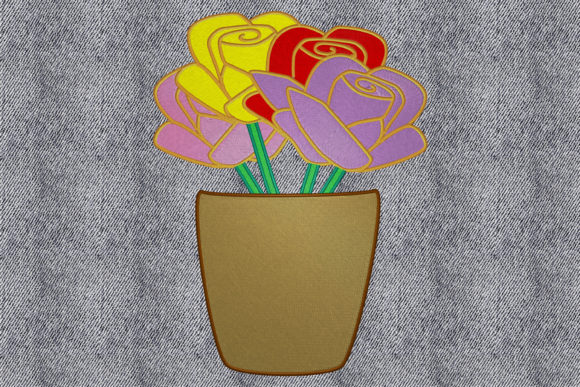
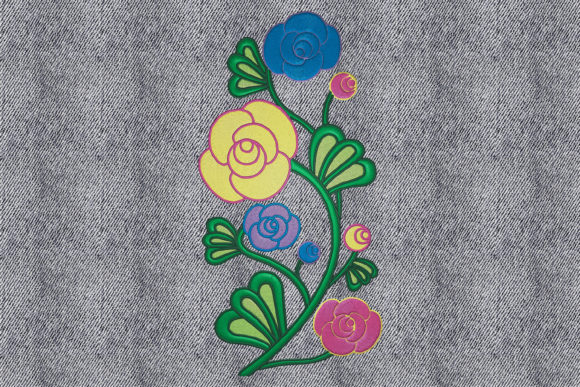
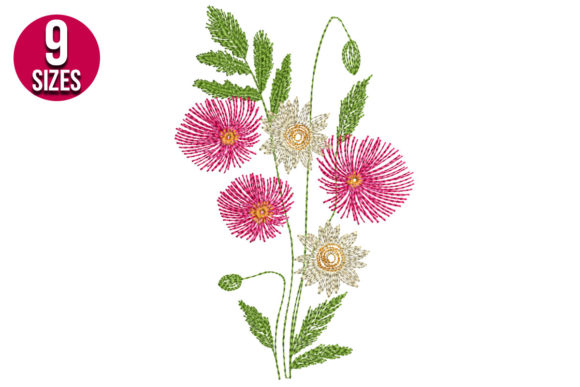
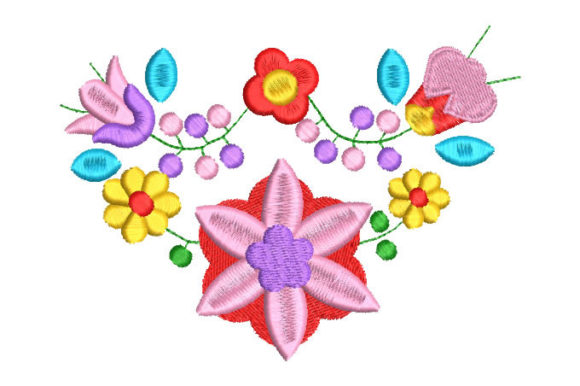
The first thing that strikes you about Colorful Spring Flowers is its energetic mood. Unlike stiff, formal floral arrangements, this design feels organic and lively. The layout balances density with breathing room, which is crucial for maintaining stitch clarity. When I loaded the preview, I noticed a thoughtful mix of satin stitch elements for petals and fill stitch areas for broader coverage. This combination suggests a design that will have texture without becoming a dense, cardboard-like patch on the fabric.
For embroidery designers and crafters, the visual personality here is versatile. It does not scream "holiday specific," which makes it a safe bet for year-round sales. Whether you are creating a personalized gift for a birthday or stocking your Etsy shop with spring-themed items, the aesthetic fits comfortably within current trends favoring bright, cheerful botanicals.
Real-World Application: The Tote Bag Test
To truly understand a design’s potential, I mentally placed it into a common commercial scenario: a custom canvas tote bag. Canvas is a sturdy fabric, but it can be unforgiving if the stitch density is too high or the stabilization is poor. Colorful Spring Flowers appears well-suited for this medium. The bold outlines and distinct color blocks would pop against natural cotton or linen, creating a high-contrast look that appeals to buyers looking for boutique-quality accessories.
Beyond tote bags, consider this design for sweatshirt embroidery. A crewneck sweatshirt provides a large, stable surface area. Placing this bouquet on the left chest creates a subtle, professional accent, while scaling it up for the back offers a statement piece. The design’s structure suggests it would hold up well on heavier fabrics without sinking in, provided you use an appropriate cut-away stabilizer.
Navigating Fabric Challenges
While the design is described as suitable for any type of fabric, experienced makers know that context matters. Here is where practical judgment comes into play.
- Textured Fabrics: On terry cloth or heavy knits, fine details can get lost. If you plan to use this on a bath towel or plush blanket, ensure the smallest elements are large enough to remain visible after stitching.
- Stretchy Materials: For baby embroidery on onesies or stretchy t-shirts, hooping technique is vital. The design’s layout seems balanced, but always test on scrap fabric first to check for puckering. A proper stabilizer is non-negotiable here.
- Dark Fabrics: Bright colors shine on dark backgrounds, but you may need to adjust thread choices. Consider using a slightly lighter shade than the digital mockup suggests to compensate for the shadow effect of dark fabric.
- Curved Surfaces: Applying this to caps or hats requires careful placement. Avoid placing dense fill areas near the seam lines where the hoop might struggle to maintain tension.
If you are considering this for an embroidered patch, the design’s self-contained shape works well. However, verify the edge finishing. A clean border is essential for patches that will be sewn or ironed onto garments later.
Commercial Viability and Brand Consistency
For Etsy sellers and small shop owners, consistency is key to building trust. Colorful Spring Flowers offers a level of professionalism that enhances brand perception. When customers receive a finished product with clear, crisp stitching, they are more likely to leave positive reviews and return for future purchases. This design supports that goal by avoiding overly complex micro-details that often lead to thread breaks or messy backsides.
From a marketing perspective, this design lends itself well to printable mockups and digital previews. Its vibrant palette catches the eye in thumbnail images, which is crucial for online visibility. Whether you are selling the physical item or offering it as part of a digital embroidery file bundle, the visual appeal drives engagement.
Practical Designer Notes
Before committing to a full production run, keep these technical considerations in mind:
- Check Thread Contrast: Digital screens display colors differently than thread. Always compare your physical thread chart against the design’s color sequence. You may want to swap certain shades to better match your brand’s palette.
- Verify Hoop Size: The product description mentions multiple formats, but always confirm the exact dimensions fit your machine’s largest hoop if you plan to scale up. Never assume compatibility without checking the specific file details.
- Test Stitch Density: Run a test stitch-out on a similar fabric to your final product. Look for any areas where stitches overlap excessively, which could cause needle heat or breakage.
- Licensing Confirmation: If you intend to use this for commercial embroidery projects, such as selling finished goods or using it in client work, review the license terms carefully. Ensure you have the right to sell physical items made with this design.
- Mockup in Black and White: Convert your preview to grayscale to check value contrast. This helps ensure the design remains legible even if viewed from a distance or printed in monochrome marketing materials.
Final Verdict
Colorful Spring Flowers is a strong contender for makers looking to add fresh, seasonal energy to their product line. It bridges the gap between decorative flair and practical stitchability. While it requires standard precautions regarding fabric choice and stabilization, its versatility across custom apparel, home goods, and accessories makes it a valuable asset for any creative entrepreneur. By treating it with the respect due a professional tool—testing, adjusting, and refining—you can create finished products that stand out in a crowded marketplace.
Remember, the best embroidery project is one that reflects both the quality of the design and the skill of the maker. Use this design as a foundation, but let your expertise in thread selection and fabric handling bring it to life.