Reviewing Happy Animals Wagon for Holiday Sales
As an embroidery designer who spends countless hours testing files before they ever reach a customer’s hoop, I approach every new machine embroidery design with a critical eye. It is not just about whether the stitches look clean; it is about whether the design sells. When I first loaded the Happy Animals Wagon into my software, I was immediately struck by its potential for the upcoming holiday season. This is not merely a cute graphic; it is a strategic asset for any Etsy seller or small business owner looking to capitalize on the emotional pull of festive gifting.
The First Impression: Mood and Market Fit
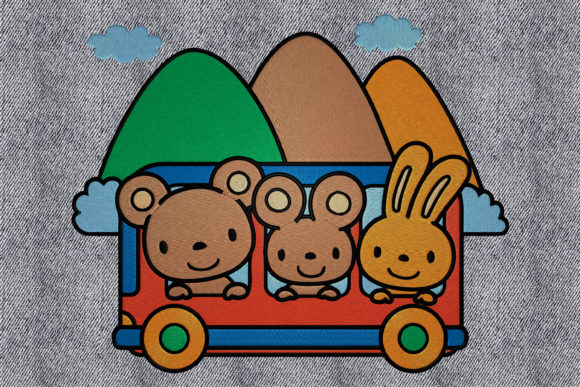
The initial visual impact of Happy Animals Wagon is undeniably warm. In a market saturated with generic holiday motifs, this design offers a narrative quality that feels both playful and nostalgic. The composition suggests movement and joy, which translates beautifully into a cozy, family-oriented aesthetic. For those of us creating products for the Babies category or young children, this design hits the sweet spot between whimsical and refined. It does not feel cheap or overly cartoonish; instead, it carries a hand-drawn charm that elevates the perceived value of the finished product.
From a decorative standpoint, the design balances detail with readability. This is crucial for seasonal embroidery, where customers often view items quickly on mobile devices. The characters are distinct, and the wagon structure provides a solid anchor for the composition. Whether you are aiming for a rustic farmhouse vibe or a modern nursery look, the versatility here is significant. It feels festive without being overtly religious or specific to a single holiday, making it a safe bet for a broader winter collection.
Strategic Product Applications for the Holidays
When planning a seasonal shop collection, versatility is key. I tested Happy Animals Wagon across various substrates to determine its best use cases. Here is how it performs in real-world selling situations:
- Sweatshirt Embroidery: This is perhaps the strongest application. Placed on the left chest or as a larger centerpiece on the back, the design pops against fleece or cotton blends. It creates an instant "gift-ready" appeal for parents and grandparents.
- Tote Bag Design: Canvas totes are huge during the holiday shopping rush. The sturdy nature of canvas handles the stitch count well, and the cheerful imagery encourages impulse buys for gift wrapping or carrying presents.
- Kitchen Towel Embroidery: A monogrammed towel featuring this design makes an excellent hostess gift. However, care must be taken with placement to ensure it does not interfere with the towel’s functionality.
- Pillow Cover: For home decor, this design adds a touch of whimsy to living rooms during the holidays. It works particularly well on neutral-toned linen or velvet covers.
- Embroidered Patch: If you offer custom patches, this design is ideal for iron-on applications on denim jackets or backpacks, extending the life of the design beyond traditional garments.
For handmade gift creators, the ability to bundle these items is a major advantage. Imagine a set comprising a sweatshirt, a matching tote, and a pillow cover. The consistent visual theme builds brand recognition and increases the average order value.
Technical Considerations and Stitch Performance
While the aesthetic is strong, technical execution determines customer satisfaction. As a professional, I always advise checking the specific details provided with your digital embroidery file. Since the product description notes that this machine embroidery design comes with multiple file formats, you likely have options for different hoop sizes. However, you must verify the recommended hoop size before purchasing or stitching.
Stitch density is another critical factor. Designs with many small details, like animal faces or wagon wheels, can become muddy if the density is too high for the fabric type. I recommend running test stitches on scrap fabric similar to your final product. Pay close attention to how the thread interacts with the fabric texture. On thick towels, you may need a cutaway stabilizer to prevent puckering, while on stretchy sweatshirt material, a tear-away with a top stabilizer might suffice.
Be cautious with thread colors. While the default colorway may be vibrant, consider offering variations. Pastel threads work beautifully for baby items, while deeper, richer tones can make the design stand out on dark navy or charcoal garments. Always test your thread palette on both light and dark fabrics to ensure contrast and visibility.
Navigating Challenges in Production
There are scenarios where Happy Animals Wagon requires careful handling. If you are working with small hoop sizes, ensure that the intricate details of the animals’ expressions do not get lost. Tiny lettering, if included in any variant of the design, should be scrutinized for legibility after stitching. Additionally, avoid placing this design on curved caps unless you have extensive experience with 3D puff or specialized cap frames, as the flat nature of the wagon design may distort on highly curved surfaces.
For items that require repeated washing, such as baby clothes or kitchen linens, use high-quality polyester thread to maintain colorfastness. Check the license terms carefully. Most designers offer commercial embroidery licenses, but you must confirm that you are allowed to sell physical finished products made with this file. Never assume; always read the terms provided with the embroidery file.
Boosting Seasonal Appeal and Buyer Emotion
The true power of Happy Animals Wagon lies in its emotional resonance. During the holiday shopping period, buyers are looking for connection and warmth. This design evokes feelings of childhood innocence and family togetherness. When used in printable mockup images for your Etsy listings, it creates a lifestyle narrative that resonates with shoppers. Show the design on a child laughing in a sweatshirt, or on a cozy pillow in a decorated living room. These visuals drive engagement and trust.
For small shop product lines, consistency is vital. Using this design across multiple product types helps establish a cohesive brand identity. It signals to customers that you are a thoughtful creator who curates designs with care. This builds customer trust and encourages repeat business.
Final Designer Notes
Before adding Happy Animals Wagon to your seasonal lineup, take these practical steps:
- Confirm the file formats match your machine’s requirements.
- Test stitch on all intended fabric types to check for puckering or thread breaks.
- Create realistic mockups that show the scale of the design on actual products.
- Plan complementary color palettes that align with current holiday trends.
- Ensure your stabilizer choice matches the fabric weight and stretch.
In conclusion, Happy Animals Wagon is a robust addition to any holiday collection. It bridges the gap between playful charm and professional quality, making it a reliable choice for personalized gift creators and apparel decorators alike. By paying attention to technical details and leveraging its emotional appeal, you can create products that not only look beautiful but also sell effectively during the busiest time of the year.