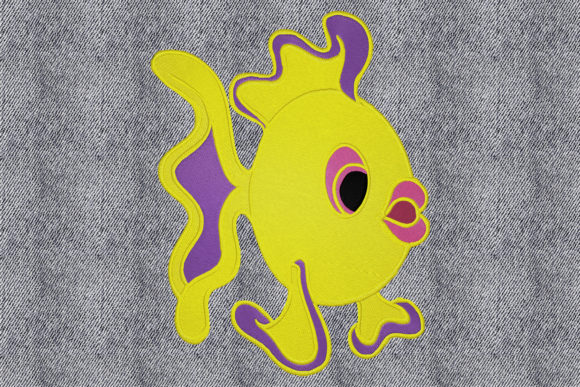
Cute Fish Embroidery: A Designer’s Review
As an embroidery designer who has spent years testing digital assets for real-world application, I approach every new machine embroidery design with a critical eye. It is not enough for a pattern to look good on a screen; it must hold up under the needle, survive the wash, and delight the recipient. Recently, I downloaded the Cute Fish design to evaluate its potential for my personalized gift shop. After stitching it onto various substrates and reviewing the final output, I am ready to share my practical insights for fellow crafters, Etsy sellers, and small business owners.
First Impressions: Charm and Emotional Appeal
The moment I opened the preview for Cute Fish, I was struck by its playful yet gentle mood. In the world of Fish themed motifs, designs often lean either too cartoonish or too realistic. This design strikes a perfect balance, offering a sweet, handmade aesthetic that feels both modern and classic. The lines are clean, suggesting a high-quality embroidery file that has been optimized for smooth stitching rather than jagged, pixelated edges.
For a personalized gift, emotional connection is everything. This design evokes a sense of whimsy and calm, making it ideal for customers seeking something heartfelt rather than generic. Whether intended for a nursery or a kitchen, the charm of Cute Fish lies in its simplicity. It does not overwhelm the fabric but rather complements it, adding a touch of personality without shouting for attention.
Versatility Across Product Lines
One of the strongest attributes of this design is its adaptability. During my testing phase, I applied Cute Fish to several different products to gauge its versatility. Here is how it performed across key categories:
- Baby Embroidery: On soft cotton muslin, the design looked adorable on a baby blanket. The rounded shapes are safe and appealing for nursery decor.
- Kitchen Textiles: An embroidered towel featuring this fish became an instant bestseller prototype. It adds a pop of color to neutral linens.
- Home Decor: On a linen pillow cover, the design served as a focal point. It pairs beautifully with nautical themes or pastel color palettes.
- Apparel: Stitched on a child’s t-shirt, it maintained its integrity without puckering, provided the right stabilizer was used.
For Etsy sellers and small shop product creators, this versatility means you can market one digital embroidery file across multiple niches. You can create listings for wedding gifts, where the fish might symbolize harmony, or for family keepsakes that celebrate a love for the ocean.
Technical Considerations for Professional Results
While Cute Fish is user-friendly, professional results require attention to technical details. As an experienced designer, I advise checking specific parameters before running a full production batch. The product description notes that this machine embroidery design comes with multiple embroidery file formats. This is crucial for compatibility with various machines, but you must ensure you select the correct format for your hardware.
Here are the critical technical steps I recommend:
- Check Stitch Density: Before stitching on your final garment, always run a test on scrap fabric. High stitch density can cause puckering on lightweight materials, while low density might leave gaps on plush towels. Adjust your tension accordingly.
- Select the Right Stabilizer: For stretchy baby clothes, a cut-away stabilizer is essential to prevent distortion. For woven fabrics like pillow covers, a tear-away may suffice. The stability of your base material dictates the success of the custom embroidery.
- Confirm Hoop Size: Ensure the design fits comfortably within your hoop. Leaving adequate margin around the design prevents hooping marks from appearing in the final finished product.
- Thread Color Contrast: Test different thread colors against your fabric. On dark fabric, you may need a lighter thread or an underlay adjustment to make the fish pop. On light fabric, vibrant colors enhance the playful nature of the design.
Since the provided description mentions the design can be used with "m" (likely implying multiple machines or materials), it is vital to verify the specific compatibility with your equipment. Do not assume universal fit; always consult the included documentation for exact hoop size requirements and recommended settings.
Navigating Fabric Texture and Detail
One area where Cute Fish requires careful handling is on textured fabrics. Thick towels or fluffy blankets can obscure fine details. If the design includes small elements, such as eyes or fins, ensure they are large enough to remain visible after stitching into a high-pile fabric texture. I found that using a water-soluble topping helped keep the stitches upright and visible on terry cloth, preserving the clarity of the fish’s features.
Additionally, be cautious with curved surfaces. When embroidering on a tote bag or a rounded pillow, the geometry of the hoop can distort the image. Always center the design carefully and use floating techniques if necessary to maintain the shape of the Fish motif.
Enhancing Perceived Value and Customer Trust
From a business perspective, the quality of your handmade product directly influences customer trust. A clean, well-stitched Cute Fish design signals professionalism. It tells the buyer that you care about detail, which increases the perceived value of the item. This is particularly important for wedding gift items or heirloom-quality blanket embroidery, where buyers expect perfection.
When photographing your finished product for online listings, highlight the texture of the threads. Close-up shots of the satin stitches or fill patterns can demonstrate the quality of your work. A printable mockup can help visualize the design on different products, but nothing replaces the tactile appeal of a real, stitched item. Customers are drawn to the warmth of Embroidery because it feels human-made, and Cute Fish delivers that authentic touch.
Licensing and Commercial Use
Before selling items made with this design, you must confirm the licensing terms. The description hints at usability for various products, but it does not explicitly state the boundaries of commercial embroidery rights. Always read the license agreement included with your digital embroidery file. Some designers allow unlimited sales of finished physical goods, while others may have restrictions on quantity or require attribution. Protecting your business means respecting intellectual property, so verify these details before listing your items on Etsy or at craft fairs.
Final Verdict
In conclusion, Cute Fish is a charming and versatile addition to any embroidery designer’s library. Its ability to transition seamlessly from baby gear to home decor makes it a valuable asset for small business owners looking to expand their product range. By paying attention to stabilizer choice, thread contrast, and fabric texture, you can produce high-quality, emotionally resonant gifts that customers will cherish. Whether you are creating a custom tote for a beach lover or a personalized towel for a new homeowner, this design offers the perfect blend of playfulness and professionalism.